

Discover the History of Flags SA: South Africa’s Symbols
Key Highlights
- The current national flag of South Africa, adopted in 1994, symbolises the end of apartheid and a new era of unity.
- Its design incorporates colours from both the flag of the African National Congress and earlier colonial-era flags.
- The flag history shows a journey from colonial symbols to a representation of a diverse, unified nation.
- Designed by Frederick Brownell, the new flag was part of the negotiation process that began with Nelson Mandela’s release.
- The central “Y” shape represents the convergence of diverse cultures and the path forward in unity for South Africa.
Introduction
Have you ever wondered about the story behind the vibrant South African flag? The national flag of South Africa is more than just a piece of cloth; it is a powerful emblem of the nation’s journey and diversity. First hoisted on April 27, 1994, this six-coloured flag, often called the “Rainbow Flag,” represents the end of a divided past and the dawn of a new, inclusive democracy. This article explores the rich history and deep meaning of the flags SA proudly flies.
The Significance of Flags SA in South African Culture
The flag of South Africa holds a special place in the hearts of its people, serving as a constant reminder of freedom and unity. It is one of the most visible national symbols, celebrated during sporting events, national holidays, and official functions, weaving itself into the fabric of South African society.
This emblem reflects the political transformation of the country, closely linked to figures like Nelson Mandela and political groups such as the African National Congress. The national flag is a symbol of a new beginning, representing the aspirations of a nation committed to moving forward together.
Why the South African Flag Is a National Symbol
The journey to the current flag of South Africa is a story of change and hope. The flag was first introduced as an interim symbol for the 1994 general election, the first in which all citizens could vote. This historic event marked the end of apartheid and the birth of a new democracy, and the flag became the visual representation of this monumental shift.
Its adoption was part of a negotiation process that sought to create national symbols that every South African could identify with. The flag was intended for a five-year probationary period, but its overwhelming popularity ensured its place as a permanent fixture. It was officially retained and described in Section One of the South African Constitution of 1996.
Today, the national flag is a cherished symbol of democracy and unity. It has replaced the old emblems that represented a divided past and stands as a testament to the country’s commitment to building a unified and inclusive society for all its people.
How Flags SA Promote Unity and Identity
One of the most powerful aspects of the South African flag is its ability to promote a shared identity among a nation of diverse people. The design itself, particularly the green “Y” shape, is officially recognised for its universal symbolism. This shape represents the “convergence of diverse elements within South African society, taking the road ahead in unity.”
This design is a visual metaphor for the process of uniting different people from various backgrounds and histories into a single, cohesive nation. It acknowledges the past while charting a course for a shared future.
The flag fosters unity by:
- Representing a blend of historical and cultural influences.
- Serving as a common emblem that transcends political and ethnic lines.
- Inspiring a sense of national pride and belonging in all corners of South African society.
Understanding the Meaning Behind the South African Flag
The South African flag is famous for its unique and colourful design. What do these colours and shapes truly represent? While the government states that the individual colours have no official universal symbolism, the colour combinations and design elements tell a fascinating story about the country’s history and its aspirations for the future.
The design is a masterclass in visual storytelling, blending elements from different eras of the nation’s past. Let’s look closer at the symbolism of the colours and the meaning behind the flag’s distinct pattern.
Colour Symbolism and Their Representations
Although no official meaning is assigned to the individual colours of the flag of South Africa, they have come to hold popular interpretations. The colours were drawn from previous flags, including those of the Boer Republics and the African National Congress (ANC), giving them historical significance.
Many people attribute meanings to the colours, which has contributed to the flag’s popular support. Some common interpretations include:
Black, Green, and Gold: These colours are found in the flag of the ANC and other liberation movements. Gold is often said to represent the mineral wealth of the country, while green can symbolise the land.
Red, White, and Blue: These colours are a nod to the flags of the Netherlands and the United Kingdom, reflecting the country’s colonial history.
White: This colour is often interpreted as a symbol of peace.
Ultimately, the lack of official colour symbolism allows different people to find their own meaning in the flag. This flexibility helps make it a unifying symbol for a diverse population, representing a synopsis of the country’s flag history.
The Design Elements of the South African Flag
The most striking feature of the new flag design is the horizontal “Y” shape. This element is the only part of the flag with official symbolism. It signifies the convergence of different cultures and the unified path forward for the nation. This theme of unity is also reflected in the National Coat of Arms motto, “!ke e: /xarra //ke,” which translates to “Diverse people unite.”
The design of the flag cleverly merges elements without creating hierarchy. The “Y” shape begins at the two corners of the hoist side and meets in the middle, creating a powerful visual of separate paths joining as one. This new flag design was a departure from previous flags that often featured complicated coats of arms or smaller flags within them.
Created by former South African state herald Frederick Brownell, the design was chosen for its simplicity and powerful message. It captures the spirit of a new South Africa, moving away from a complex past toward a united future, a concept that resonated deeply with the nation.
A Timeline of Flags SA – Historical Milestones
The flag history of South Africa is as complex and varied as the nation itself. Before the adoption of the current national flag in 1994, several other banners flew over the land, each telling a different part of the country’s story. From colonial ensigns to the controversial flag of the apartheid era, each flag marked a distinct period.
This timeline traces the evolution of the flag of South Africa, showing the shift from symbols of division to a powerful emblem of unity. It includes influences from the Union Jack, Dutch flags, and the flag of the African National Congress.
Early Flags and Colonial Influence (1652–1910)
The earliest flags flown in South Africa were colonial flags, reflecting European control. The first was the flag of the Dutch East India Company (VOC), based on the flag of the Dutch. After British occupation, the Union Jack became the dominant symbol. During the Second Anglo-Boer War, the Boer Republics had their own distinct flags, such as the Orange Free State flag and the Transvaal Vierkleur.
These early flags represented different authorities and territories, not a unified nation. After the war, the region fell under the British Union Flag, and the four colonies (Cape, Natal, Orange River, and Transvaal) were entitled to use British ensigns defaced with their respective coats of arms.
This period was marked by a fragmented flag identity, with no single banner to represent all the people of the land.
Evolution of National Flags SA (1910–present)
After the Union of South Africa was formed in 1910, the search for a national flag began. The 1928 flag was a compromise, featuring stripes of orange, white, and blue, with three miniature flags (the Union Jack, the Orange Free State flag, and the flag of the South African Republic) in the centre. This flag was controversial and became associated with the apartheid regime.
The journey to the current national flag of South Africa started in 1993 with a public competition that received over 7,000 flag designs. However, none of the designs gathered enough support. The task of finding a solution fell to the Transitional Executive Council.
Ultimately, a design by former South African state herald Fred Brownell was adopted just a week before the 1994 election. Initially an interim flag, its popularity led to its permanent adoption, symbolising a new, democratic South Africa.
Types and Variants of Flags SA
While the national flag is the most recognised of all flags SA, it’s not the only official banner used in the country. Various government bodies, military branches, and other organisations have their own flag designs. These variants serve specific purposes and follow established protocols for their use.
These flags, while different from the flag of South Africa, often complement its symbolism or serve a distinct functional role. Let’s explore some of the other official flags you might see across the nation.
Government, Military, and Provincial Flags
Yes, several other official flags are used for specific purposes in South Africa. Each branch of the South African National Defence Force (SANDF), for example, has its own flag. These flags are flown at military installations and used during official ceremonies.
Provincial flags are another example. While not all provinces have their own flags, some have adopted designs that represent their unique identity and heritage. These flags are often flown alongside the national flag at government buildings within that province. Organisations like the Southern African Vexillological Association (SAVA) document and study these various flags.
Some examples of other official flags include:
- The South African National Defence Force flag
- The South African Naval Ensign
- The South African Air Force Ensign
- Flags for government departments, sometimes featuring coats of arms
Special Purpose and Event Flags Featuring Flags SA
Beyond official government use, the South African national flag is a popular symbol for events, branding, and personal expression. Many businesses and organisations create custom flags that incorporate its colours and design to show national pride or to theme an event. This practice highlights the flag’s role as a unifying and inspirational emblem.
You can certainly get custom flags for your own branding or events. These banners can be adapted for various purposes, from large displays at corporate functions to small hand-held flags for celebrations. The design is so beloved that it inspires creativity, much like the public competition for the original flag, which showcased the nation’s artistic spirit.
Custom flags featuring the national flag can be used for:
- Sporting events to support national teams.
- Corporate branding to express a company’s South African identity.
- Community festivals and national holiday celebrations.
Practical Guide to Buying and Using Flags SA
Owning and flying the flag of South Africa is a wonderful way to show your pride. Whether you’re looking for an authentic national flag or need custom flags for a special occasion, it’s important to know where to find high-quality products. Proper use of the flag is also crucial, as it is a symbol deserving of respect.
This guide will provide you with practical tips on where to buy your flag and how to display it correctly, ensuring you honour its significance.
Where to Buy Authentic and Custom South African Flags
If you’re looking to buy an authentic South African flag, it’s important to find a reputable supplier. Many online retailers and specialty flag shops sell the flag of South Africa. Look for sellers who provide clear information about the flag’s material, dimensions, and colour accuracy. An authentic flag should adhere to the specifications laid out in official documents like the Government Gazette.
For those needing custom flags for branding or events, many manufacturers offer services to create bespoke designs. You can order flags in various sizes and materials, incorporating the national colours or design elements to suit your needs.
When searching for a flag, consider the following:
- Online Flag Retailers: Websites specialising in flags of the world are a good starting point.
- Local Suppliers: Check for local manufacturers or retailers in South Africa for authentic products.
- Custom Flag Makers: Search for companies that specialise in creating custom banners for business or personal use.
- Check Reviews: Read customer reviews to ensure the quality of the product and the reliability of the seller.
Displaying, Caring for, and Legal Tips for Flags SA
Maintaining the vibrancy and significance of Flags SA involves proper care and respectful display. Position the South African flag high and clear, ensuring it flies free from obstruction. Regular cleaning using mild soap and water preserves its colours. Legal guidelines dictate respectful handling; never let the flag touch the ground or be worn as clothing. Understanding these practices helps celebrate the symbol of democracy, uniting the diverse people of South Africa through the rich history encapsulated in the national flag.

Conclusion
In conclusion, understanding the rich history and cultural significance of Flags SA is essential for appreciating their role in South African identity. From the vibrant colours symbolising unity to the evolution of flags over the years, these emblems represent more than just fabric; they embody the spirit of a nation. Whether you are looking to display an authentic flag or simply want to learn more about its meaning, embracing the heritage behind Flags SA can foster a deeper connection to South Africa’s diverse culture. For those interested in acquiring high-quality flags or learning more about their proper display and care, don’t hesitate to reach out for expert guidance on your journey with Flags SA!
Table Of Contents
Flag Products
-
South Sudan Flag
Price range: R400,00 through R860,00 -

South African Waving Flag 90 x 60cm
R295,00 -

South Africa Flag Branded Neck & Headwear
R112,00 -

South Africa Versatile Neck & Headwear
R112,00 -
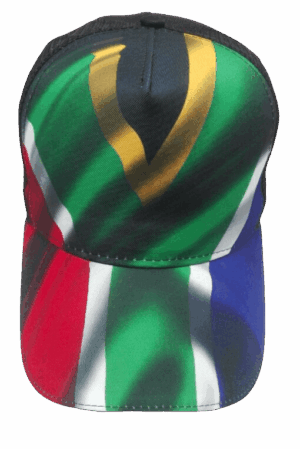
Proudly South African Cap – Full Print
R150,00 -

Proudly South African Cap – Edge Design
R174,00 -
Zimbabwe Flag
Price range: R400,00 through R860,00 -

Zambia Flag
Price range: R400,00 through R860,00