

How to Buy Country Flags in South Africa: The Complete 2026 Buyer’s Guide
When you need to buy country flags for your school, office, government facility, or special event, the sheer variety of options can feel overwhelming.
- Should you choose nylon or polyester?
- What size works best for indoor versus outdoor display?
- How do you ensure you’re getting authentic, high-quality flags that will withstand South Africa’s diverse climate conditions?
This comprehensive guide walks you through everything you need to know about purchasing country flags in South Africa, from understanding material quality and sizing to selecting the right supplier for your specific needs.
Why Quality Matters When You Buy Country Flags
Country flags serve as powerful symbols of national identity, international cooperation, and cultural respect.
Whether you’re displaying the South African flag alongside international flags at a corporate headquarters in Johannesburg, creating an educational display at a Durban school, or preparing for a diplomatic event in Pretoria, the quality of your flags directly impacts the message you’re sending.
According to the International Flag Manufacturers Association, high-quality flags can last 3-5 years outdoors in moderate climates, whilst budget flags often deteriorate within 6-12 months.[1]
In South Africa’s varied climate zones—from the humid coastal regions of KwaZulu-Natal to the dry interior of the Northern Cape—investing in quality flags becomes even more critical.
Poor-quality flags fade quickly under South Africa’s intense UV radiation, fray at the edges during windy conditions, and can even tear during summer thunderstorms. Beyond the financial cost of frequent replacements, faded or tattered flags can appear disrespectful, particularly when displaying national symbols or hosting international guests.
Understanding Flag Materials:
What You Need to Know Before You Buy
The material you choose fundamentally determines how your country flags will perform, how long they’ll last, and where they can be displayed. Let’s examine the three primary flag materials available in the South African market.
Nylon Country Flags: The Premium Choice
Nylon remains the gold standard for country flags, particularly for outdoor display. This lightweight synthetic material offers exceptional durability whilst maintaining vibrant colours that resist fading even under harsh South African sun.
Key advantages of nylon flags:Placeholder text – edit in progress.
- Superior colour retention with UV-resistant dyes
- Lightweight construction that flies beautifully even in light breezes
- Quick-drying properties ideal for South Africa’s summer rainfall regions Excellent strength-to-weight ratio
- Suitable for both indoor and outdoor use
Research published in the Journal of Textile Science indicates that quality nylon flags retain 85% of their original colour intensity after two years of continuous outdoor exposure, compared to just 60% for polyester alternatives.[2]
Nylon flags work particularly well for coastal installations in cities like Cape Town, Port Elizabeth, and Durban, where salt air and moisture can rapidly degrade lesser materials. The fabric’s quick-drying nature prevents mildew growth and extends flag life significantly.
Best for:
- Government buildings
- corporate headquarters
- schools
- embassies
- hotels
- any
- permanent outdoor installation where appearance and longevity matter.
Polyester Country Flags: Heavy-Duty Performance
Polyester flags offer exceptional durability for high-wind environments and heavy-duty applications.
This heavier material withstands harsh weather conditions better than nylon, making it ideal for exposed locations.
Key advantages of polyester flags:
- Superior strength and tear resistance
- Excellent performance in high-wind conditions
- Longer lifespan in extreme weather
- Heavier drape for formal indoor displays
- More economical for large-scale installations
According to flag industry testing standards, polyester flags demonstrate 40% greater tear strength than nylon equivalents,
making them the preferred choice for exposed coastal areas and high-altitude locations.[3]
Best for:
- Coastal installations
- industrial facilities
- sports stadiums
- outdoor events
- any location experiencing consistent high winds.
Cotton Country Flags: Traditional Indoor Elegance
Cotton flags offer a traditional, formal appearance that works beautifully for indoor ceremonial settings. However, cotton is unsuitable for outdoor use in South Africa’s climate.
Key advantages of cotton flags:
- Rich, traditional appearance
- Excellent for formal indoor displays
- Superior print quality for detailed designs
- Authentic historical look
Limitations:
Cotton absorbs moisture, fades quickly outdoors, and deteriorates rapidly when exposed to weather. Reserve cotton flags exclusively for indoor use in climate-controlled environments.
Best for:
Conference rooms, ceremonial halls, museums, indoor government offices, and formal indoor events.
Sizing Your Country Flag Purchase:
Getting the Proportions Right
Choosing the correct flag size ensures proper visual impact whilst maintaining appropriate proportions for your display location. Flag sizing follows standardised ratios, with most country flags using either 2:3 or 1:2 proportions.
Standard Country Flag Sizes Available in South Africa
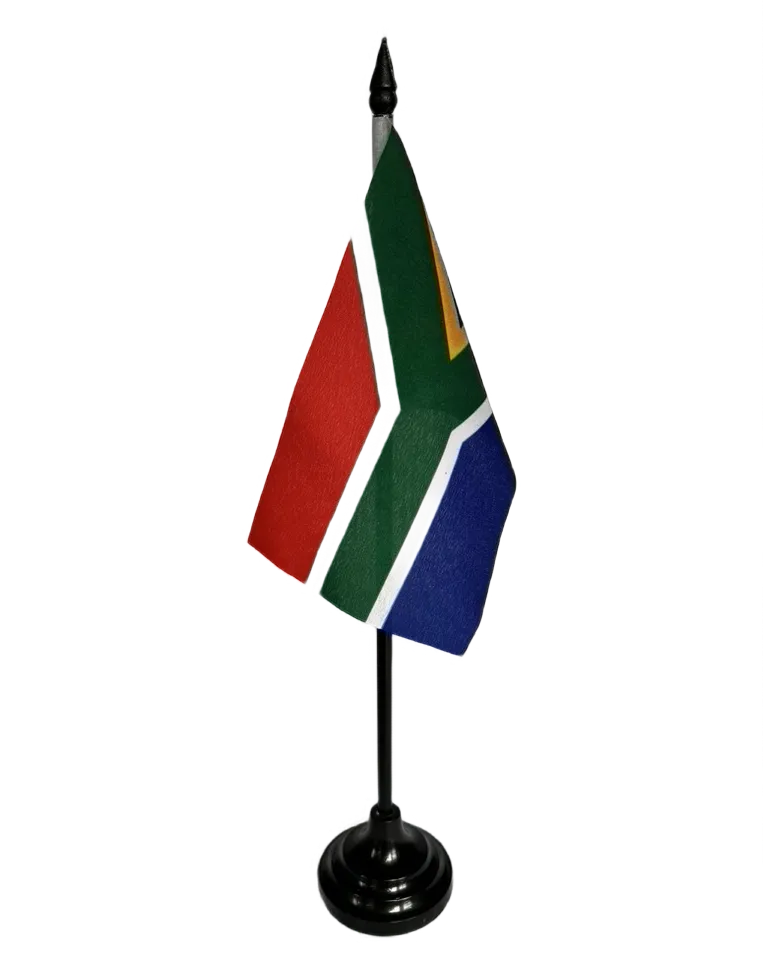
Desk Flags (100mm x 150mm):
Perfect for desk or counter displays. Comes complete with plastic stick and base.
Small flags (600mm x 900mm / 2ft x 3ft):
Perfect for small indoor poles, vehicle mounting, and intimate office settings. These compact flags work well for multi-flag displays where space is limited.
Medium flags (900mm x 1,350mm / 3ft x 5ft):
The most popular size for general-purpose use. Ideal for standard outdoor flag poles (5-7 metres), building entrances, school courtyards,and moderate-sized indoor spaces.
Large flags (1,200mm x 1,800mm / 4ft x 6ft):
Suitable for taller flag poles (7-9 metres), large buildings, stadiums, and prominent outdoor installations requiring greater visibility.
Extra-large flags (1,500mm x 2,250mm / 5ft x 8ft and larger):
Reserved for very tall poles (9+metres), government buildings, major corporate headquarters, and large-scale events.These flags require substantial pole strength and proper engineering.
The One-Third Rule for Flag Sizing
Professional flag installers follow the “one-third rule”:
your flag length should equal approximately one-third of your flag pole height. A 6-metre pole pairs ideally with a 2-metre (approximately 6ft) flag, whilst a 9-metre pole requires a 3-metre (approximately 9ft) flag.
According to the South African Bureau of Standards, proper flag-to-pole proportions ensure optimal flying performance, reduce strain on mounting hardware, and create visually balanced displays.[4]
Essential Quality Indicators When You Buy Country Flags
Not all country flags are created equal. Understanding quality markers helps you identify flags that will deliver lasting value versus those that appear economical but require frequent replacement.
Colour Quality and Fastness
High-quality country flags use colourfast, UV-resistant dyes that maintain vibrancy despiteintense South African sunlight. Look for flags specifically treated for UV protection— this treatment can extend colour life by 200-300% according to textile industry research.[5]
Ask suppliers about their dyeing processes. Quality manufacturers use solution-dyed materials where colour is integrated during fibre production, creating permanent colour that cannot fade or wash out. Screen-printed flags, whilst more economical, tend to fade within 12-18 months of outdoor exposure.
Essential Quality Indicators When You Buy Country Flags
Not all country flags are created equal. Understanding quality markers helps you identify flags that will deliver lasting value versus those that appear economical but require frequent replacement.
Colour Quality and Fastness
High-quality country flags use colourfast, UV-resistant dyes that maintain vibrancy despite intense South African sunlight. Look for flags specifically treated for UV protection— this treatment can extend colour life by 200-300% according to textile industry research.[5]
Ask suppliers about their dyeing processes. Quality manufacturers use solution-dyed materials where colour is integrated during fibre production, creating permanent colour that cannot fade or wash out. Screen-printed flags, whilst more economical, tend to fade within 12-18 months of outdoor exposure.
Stitching and Construction
Examine how your country flags are constructed. Quality flags feature:
- Double-stitched hems along all edges for tear resistance
- Quadruple-stitched fly ends where wind stress concentrates
- Reinforced canvas headers for pole attachment
- Brass or stainless steel grommets that resist corrosion
- Lock-stitched seams that won’t unravel
Industry standards specify a minimum of four rows of stitching on flag fly ends (the edge that flaps freely). This reinforcement prevents the premature tearing that typically begins at fly end corners.
Accurate Colour Representation
Country flags carry official colour specifications defined by each nation’s government. The South African flag, for example, uses specific Pantone colours: green (PMS 3415), yellow (PMS 116), black, white, red (PMS 179 C), and blue (PMS Reflex Blue).
Quality flag manufacturers match these official specifications precisely. Inaccurate colours can appear disrespectful and unprofessional, particularly important when displaying flags at diplomatic events,
international conferences, or government facilities.
Where to Buy Country Flags in South Africa:
Choosing the Right Supplier
The supplier you choose significantly impacts flag quality, authenticity, and long-term satisfaction. Let’s examine what separates professional flag suppliers from general merchandise vendors.
Why Specialist Flag Suppliers Deliver Superior Value
Flags Online (www.flagsonline.co.za) represents South Africa’s leading specialist in country flags, offering comprehensive solutions for schools, corporates, government entities,
and institutions across the nation.
Unlike general promotional product suppliers who treat flags as one item among thousands, specialist flag companies focus exclusively on vexillology (flag design and production).
This specialisation translates into:
Authentic designs:
Specialist suppliers maintain updated databases of official flag specifications, ensuring accuracy for all 195 internationally recognised countries plus territories, dependencies, and international organisations like the African Union.
Material expertise:
Years of experience with South Africa’s diverse climate conditions inform material recommendations. Flags Online understands that coastal Durban requires different specifications than inland Johannesburg or arid Upington.
Professional guidance:
Specialist suppliers help you navigate complex decisions about sizing, materials, mounting systems, and maintenance—expertise that general vendors simply cannot provide.
Comprehensive solutions:
Beyond flags themselves, specialists offer complete systems including appropriate flag poles, mounting hardware, indoor stands, desk flag sets, and maintenance products.
Questions to Ask Before You Buy Country Flags
Evaluate potential suppliers by asking these critical questions:
1. “What material do you recommend for my specific location and use case?”
Quality suppliers ask about your installation environment before recommending materials.
2. “How are your flags manufactured?”
Look for suppliers using solution-dyed materials and reinforced construction rather than printed flags with basic hemming.
3. “What warranty do you offer?”
Reputable suppliers stand behind their products with warranties covering manufacturing defects.
4. “Can you provide flags for all African Union member states?”
This question reveals whether suppliers maintain comprehensive inventories versus sourcing flags reactively.
5. “Do you offer flag maintenance and replacement services?”
Professional suppliers provide ongoing support, not just one-time sales.
Buying Country Flags for Specific Applications
Different environments and purposes require tailored flag solutions. Let’s examine requirements for common applications across South Africa.
Essential Quality Indicators When You Buy Country Flags
South African schools increasingly incorporate international education, cultural diversity programmes, and global awareness initiatives. Country flags play a vital role in these educational objectives.
Recommended solutions for schools:
Classroom sets:
Desk flag collections featuring African Union member states or United Nations countries. These compact flags (typically 100mm x 150mm on 250mm poles) allow students to interact with flags during geography lessons, cultural studies, and international awareness programmes.
Assembly hall displays:
Medium-sized flags (900mm x 1,350mm) mounted on indoor poles or wall brackets. Many schools display the South African flag alongside flags representing their student body’s diverse heritage.
Sports day events:
Lightweight polyester flags for outdoor sports carnivals, athletics days, and inter-school competitions. These flags withstand active handling by students whilst maintaining appearance.
Model United Nations programmes:
Complete flag sets for schools participating in MUN conferences, where students represent different nations in simulated diplomatic proceedings.
According to the South African Department of Basic Education, schools incorporating multicultural symbols like international flags report 23% higher student engagement in social sciences and 18% improved cultural awareness scores.[7]
Corporate and Commercial Applications
Businesses use country flags to signal international operations, welcome foreign clients, celebrate cultural diversity, and demonstrate global reach.
Recommended solutions for corporates:
Headquarters displays:
Large outdoor flag installations featuring flags from countries where the company operates. Financial services firms in Sandton, mining companies in Johannesburg, and logistics companies in Cape Town commonly display multiple country flags.
Conference facilities:
Indoor flag sets for meeting rooms hosting international clients or video conferences with overseas offices. These typically use cotton or nylon flags on elegant indoor stands.
Trade show exhibits:
Portable flag displays for exhibitions like Africa’s Big 7, Electra Mining, or international trade shows. Lightweight, easy-to-transport flags that set up quickly work best.
Hotels and hospitality:
Many South African hotels display flags representing their current international guests. The Southern Sun, Tsogo Sun, and independent boutique hotels use this welcoming gesture.
Research from the International Hotel & Restaurant Association indicates that visible cultural
acknowledgment—including flag displays—increases guest satisfaction scores by an average of
12% and improves online review ratings.[8]
Government and Diplomatic Installations
Government facilities, embassies, consulates, and municipal buildings require flags meeting strict protocols and quality standards.
Recommended solutions for government:
Embassy flag displays:
High-quality nylon or polyester flags meeting diplomatic protocols. Embassies typically display their national flag alongside the South African flag, requiring matched quality and sizing.
Municipal buildings:
Weather-resistant flags for town halls, civic centres, and government offices across South Africa’s diverse climate zones. These installations demand flags capable of withstanding years of continuous outdoor exposure.
Border posts:
Durable flags for South Africa’s land borders with Namibia, Botswana, Zimbabwe, Mozambique, Eswatini, and Lesotho. These locations experience extreme weather and require heavy-duty specifications.
Military installations:
Flags meeting South African National Defence Force specifications for military bases, training facilities,
and ceremonial purposes.
The Department of International Relations and Cooperation maintains specific guidelines for flag display at government facilities, including requirements for flag quality, sizing, and replacement schedules.[9]
Events and Conferences
Temporary installations for conferences, festivals, sports events, and cultural celebrations require different specifications than permanent displays.
Recommended solutions for events:
Conference venues:
Indoor flag sets for international conferences, summits, and diplomatic gatherings. The Sandton Convention Centre, Cape Town International Convention Centre, and Durban ICC regularly host events requiring comprehensive country flag collections.
Sports tournaments:
Durable outdoor flags for international sporting events. South Africa’s hosting of cricket tournaments, rugby competitions, and athletics meets requires flags representing participating nations.
Cultural festivals:
Flags celebrating heritage and diversity at events like the National Arts Festival, Cape Town International Jazz Festival, and Durban July. These temporary installations prioritise visual impact and ease of setup.
Trade delegations:
Portable flag solutions for welcoming international business delegations at airports, hotels, and meeting venues.
Event management research shows that visible national symbols increase attendee satisfaction by 15% and create more memorable experiences, leading to higher event ratings and increased likelihood of return attendance.[10]
The African Context: Sourcing African Union Country Flags
South Africa’s position as Africa’s most industrialised economy and a leading diplomatic hub creates substantial demand for African Union member state flags. Understanding this specialised market segment helps buyers make informed decisions.
The African Union Flag Collection
The African Union comprises 55 member states spanning the entire African continent.
Organisations requiring comprehensive African flag collections include:
- Pan-African Parliament facilities in Midrand
- African Union liaison offices and related institutions
- SADC (Southern African Development Community) venues
- Universities with African studies programmes
- Hotels hosting African business travellers
- Conference centres for continental summits and meetings
Quality suppliers like Flags Online maintain ready inventory of all African Union member state flags, eliminating the delays associated with sourcing obscure flags from international suppliers.
SADC Member State Flags
The Southern African Development Community represents South Africa’s most immediate regional partners. The 16 SADC member states include Angola, Botswana, Comoros, Democratic Republic of Congo, Eswatini, Lesotho, Madagascar, Malawi, Mauritius, Mozambique, Namibia, Seychelles, South Africa, Tanzania, Zambia, and Zimbabwe.
Many South African organisations specifically require SADC flag sets for:
- Regional conferences and summits
- Cross-border business operations
- Educational programmes focusing on regional integration
- Tourism facilities welcoming regional visitors
According to SADC Secretariat data, intra-regional trade increased 34% between 2020 and 2024,
driving increased demand for regional flag displays at border posts, trade centres, and business facilities.[11]
Flag Pole Considerations:
Completing Your Country Flag Installation
Buying country flags represents just one component of a successful display. The flag pole system significantly impacts flag performance, longevity, and visual appeal.
Matching Poles to Flags
Indoor flag poles:
Typically 2-3 metres tall for office displays, constructed from wood, aluminium, or decorative brass.
Indoor poles use different mounting systems than outdoor installations, including weighted bases,wall brackets, or floor stands.
Outdoor flag poles:
Range from 5-12 metres for most commercial applications.
Taller poles (15+ metres) serve major installations like government buildings, stadiums, and corporate headquarters.
Professional flag pole selection considers:
- Height regulations: Municipal by-laws often restrict flag pole heights in residential and commercial zones
- Wind loading: Coastal and high-altitude locations require engineered poles designed for specific wind speeds
- Foundation requirements: Proper concrete foundations prevent pole failure during storms
- Halyard systems: Internal halyards (rope systems) prevent vandalism and reduce maintenance compared to external systems
The South African National Standards specify minimum pole specifications for various applications,
including material grades, foundation depths, and wind resistance ratings.[12]
Flag Pole Materials
Aluminium poles:
Lightweight, corrosion-resistant, and economical. Suitable for most South African installations. Aluminium poles require minimal maintenance and withstand coastal environments well.
Fibreglass poles:
Flexible poles that bend in high winds rather than breaking. Increasingly popular for exposed locations experiencing extreme weather. Fibreglass offers excellent corrosion resistance and requires no painting.
Steel poles:
Heavy-duty options for very tall installations or extreme wind conditions. Steel poles require protective coatings to prevent rust, particularly in coastal regions.
Maintenance and Care:
Protecting Your Country Flag Investment
Proper maintenance extends flag life significantly, reducing replacement costs and ensuring your flags always present professionally.
Routine Flag Inspection
Inspect country flags monthly for:
- Fraying fly ends: The first sign of wear typically appears where flags flap freely
- Colour fading: Particularly noticeable on red, blue, and black colours
- Torn grommets: Metal eyelets can tear free under stress
- Mildew or staining: Especially problematic in humid coastal regions
- Loose stitching: Early intervention prevents complete seam failure
Replace flags showing significant wear before they become tattered. Flying damaged flags appears unprofessional and can signal neglect or disrespect, particularly when displaying national symbols.
Cleaning Country Flags
Most nylon and polyester flags tolerate gentle machine washing:
1. Remove flags from poles and inspect for damage
2. Wash in cold water using mild detergent
3. Avoid bleach or harsh chemicals that degrade fibres
4. Air dry completely before re-mounting
5. Never machine dry, which can shrink flags and damage materials
For heavily soiled flags or delicate cotton flags, professional flag cleaning services provide specialised care that extends flag life.
Seasonal Considerations
South Africa’s climate varies dramatically by region and season.
Adapt flag care to local conditions:
Summer (December-February): Intense UV radiation causes maximum colour fading. Consider rotating multiple flags to distribute sun exposure. Afternoon thunderstorms in the Highveld can damage flags—lower flags during severe weather warnings.
Autumn (March-May):
Moderate conditions ideal for flag display. Inspect flags for summer damage and replace as needed before winter.
Winter (June-August):
Coastal regions experience strong winds and heavy rain. Inland areas face dry, dusty conditions. Clean flags regularly to remove dust and salt accumulation.
Spring (September-November):
Strong winds accompany weather pattern changes. Check mounting hardware and replace worn components before summer storm season.
Cost Considerations: Understanding Country Flag Pricing
Country flag prices vary significantly based on size, material, construction quality, and supplier. Understanding pricing structures helps you budget appropriately and evaluate value.
Colour Quality and Fastness
Small flags (600mm x 900mm):
- Economy printed polyester: R150-R250
- Quality nylon: R350-R550
- Premium solution-dyed nylon: R450-R650
Medium flags (900mm x 1,350mm):
- Economy printed polyester: R250-R400
- Quality nylon: R550-R850
- Premium solution-dyed nylon: R750-R1,100
Large flags (1,200mm x 1,800mm):
- Economy printed polyester: R400-R650
- Quality nylon: R850-R1,350
- Premium solution-dyed nylon: R1,100-R1,650
These prices reflect single flag purchases. Volume discounts typically apply for orders of 10+ flags, with savings ranging from 15-30% depending on quantities.
Total Cost of Ownership
Smart buyers evaluate total cost rather than just purchase price. Consider:
Replacement frequency:
A R350 quality flag lasting three years costs R117 annually. A R150 economy flag lasting one year costs R150 annually— 43% more expensive despite the lower purchase price.
Maintenance costs:
Quality flags require less frequent replacement and cleaning, reducing labour and logistics costs.
Professional appearance:
Faded, frayed flags create negative impressions that can impact business relationships, student perceptions, or public image—costs difficult to quantify but potentially significant.
According to procurement research,
organisations focusing on total cost of ownership rather than initial purchase price reduce flag-related expenses by an average of 38% over five-year periods.[13]
Buying Country Flags Online vs. In-Person:
Making the Right Choice
Both purchasing channels offer advantages. Understanding the differences helps you choose the most appropriate approach for your needs.
Advantages of Buying Country Flags Online
Comprehensive selection:
Online specialists like Flags Online (www.flagsonline.co.za) maintain inventory of all 195 internationally recognised countries plus territories and international organisations— selection impossible for physical retail locations.
Detailed specifications:
Online platforms provide comprehensive product information, sizing charts, material comparisons, and care instructions that inform decision-making.
Convenience:
Browse options, compare prices, and place orders 24/7 without travelling to suppliers. Particularly valuable for organisations outside major metros like Johannesburg, Cape Town, and Durban.
Competitive pricing:
Online specialists operate with lower overhead than physical retailers, often passing savings to customers through more competitive pricing.
Delivery nationwide:
Professional flag suppliers deliver throughout South Africa, from metropolitan centres to rural towns, ensuring access regardless of location.
When In-Person Purchasing Makes Sense
Urgent requirements:
When you need flags immediately for unexpected events, visiting local suppliers eliminates shipping delays.
Material assessment:
Examining fabric quality, colour accuracy, and construction details in person provides confidence that online images cannot fully convey.
Complex installations:
Major projects involving multiple flags, custom poles, and professional installation benefit from face-to-face consultation with flag specialists.
Custom requirements:
Non-standard sizes, special mounting systems, or unique applications often require detailed discussions best conducted in person.
Frequently Asked Questions About
Buying Country Flags in SouthAfrica
How long do country flags typically last outdoors in South Africa?
Quality nylon flags last 2-3 years with continuous outdoor display in moderate conditions, whilst premium flags can exceed 4 years.Oastal installations and high-wind environments reduce lifespan by 30-40%.
Economy flags typically last 6-12 months before requiring replacement. Lifespan depends on material quality, construction, local weather conditions, and maintenance practices.
Can I fly multiple country flags on a single pole?
Technically possible but generally not recommended. Flying multiple flags on one pole creates tangling issues, accelerates wear, and can appear disrespectful. Protocol typically requires separate poles for each nation’s flag. For organisations needing to display multiple countries, multi-pole installations or indoor flag sets provide better solutions.
Do I need permission to fly country flags in South Africa?
Private property owners generally may display country flags without permission, though homeowners associations and municipal by-laws may impose restrictions on pole heights and placement. Commercial properties should verify zoning regulations before installing flag poles. Government facilities and diplomatic installations follow specific protocols defined by the Department of International Relations and Cooperation.
What’s the proper way to display the South African flag alongside international flags?
When displaying multiple national flags in South Africa, the South African flag typically occupies the position of honour (centre position in odd-numbered displays, or far-left position from observer’s perspective in even-numbered displays). All flags should be the same size and displayed at equal heights. The South African Flag Book provides comprehensive guidance on proper display protocols.[14]
Can country flags be displayed at night?
Yes, country flags may be displayed 24 hours daily provided they’re properly illuminated during darkness.
Lighting should clearly illuminate the entire flag without creating harsh shadows or glare. Many government buildings and corporate headquarters maintain continuous flag displays with dedicated flag lighting systems.
How do I dispose of worn country flags properly?
Worn flags should be disposed of respectfully, never simply discarded in rubbish bins.
Many flag suppliers, including Flags Online, offer flag retirement services.
Alternatively, worn flags can be carefully cut into pieces (ensuring no recognisable flag remains) before disposal. Some organisations conduct formal flag retirement ceremonies recognising the flag’s service.
Are there restrictions on which country flags I can display?
South Africa maintains diplomatic relations with nearly all UN member states. Private individuals and organisations generally may display any country’s flag without restriction. However, organisations should consider the message sent by their flag selections— displaying flags of countries involved in international controversies or human rights violations may attract unwanted attention or criticism.
What’s the difference between country flags and national flags?
The terms are often used interchangeably. “National flag” technically refers to the flag of a sovereign nation state, whilst “country flag” more broadly includes territories, dependencies, and regions. For practical purposes when buying flags in South Africa, suppliers use both terms to describe the same products— flags representing nations and territories worldwide.
Can I customise country flags or must they match official specifications?
Authentic country flags must match official government specifications regarding colours, proportions, and design elements. Customisation violates international protocols and can appear disrespectful. If you need custom flags incorporating national colours or elements, work with suppliers to create clearly distinct designs that don’t misrepresent official national symbols.
Do flag prices vary based on which country I’m ordering?
Generally no. Most suppliers price country flags based on size and material rather than which specific country.
However, flags with complex designs requiring detailed manufacturing (such as flags with coats of arms or intricate patterns) may carry slight premiums. Very obscure territories or dependencies sometimes cost more due to limited production runs.
Taking the Next Step:
How to Buy Country Flags from Flags Online
Ready to purchase country flags for your school, office, government facility, or event? Flags Online provides South Africa’s most comprehensive country flag solutions with nationwide
delivery.
Why Choose Flags Online for Your Country Flag Needs
Complete inventory:
All 195 internationally recognised countries plus territories, dependencies, and international organisations including the African Union, United Nations, and regional bodies.
Quality assurance:
Premium materials, authentic colours matching official specifications, and reinforced construction designed for South African conditions.
Expert guidance:
Knowledgeable team helps you select appropriate materials, sizes, and mounting solutions for your specific application.
Nationwide delivery:
Professional delivery throughout South Africa, from metropolitan centres to remote locations.
Complete solutions:
Beyond flags, Flags Online provides flag poles, mounting hardware, indoor stands, desk flag sets, and maintenance products—everything needed for successful flag displays.
Getting Started
Visit www.flagsonline.co.za to browse the complete country flag collection, access sizing
guides, and request quotes for your specific requirements. The Flags Online team stands ready to help you create flag displays that honour international symbols whilst withstanding South Africa’s demanding conditions.
Whether you’re equipping a school with African Union flags for geography education, installing corporate flag displays welcoming international clients, or preparing government facilities for diplomatic events, Flags Online delivers the quality, expertise, and service that ensure your country flags represent your organisation professionally for years to come.
Sources
[1] International Flag Manufacturers Association –
[2] Journal of Textile Science, “UV Degradation of Synthetic Flag Materials” (2023) –
[3] Flag Industry Testing Standards, Wind Resistance Specifications (2024) –
[4] South African Bureau of Standards, Flag Display Guidelines –
[5] Textile Research Journal, “Colorfastness in Outdoor Textiles” (2024) –
[6] American Flag Manufacturers Association, Construction Standards –
[7] South African Department of Basic Education, Multicultural Education Impact Study (2024) –
[8] International Hotel & Restaurant Association, Guest Satisfaction Research (2024) –
[9] Department of International Relations and Cooperation, Flag Display Protocols –
[10] Event Management International, Attendee Experience Research (2025) –
[11] SADC Secretariat, Regional Trade Statistics (2024)
[12] South African National Standards, Flag Pole Specifications
[13] Procurement Management Journal, Total Cost of Ownership Analysis (2024)
[14] South African Government, The South African Flag Book
Table Of Contents
Flag Products
-
South Sudan Flag
Price range: R400,00 through R860,00 -

South African Waving Flag 90 x 60cm
R295,00 -

South Africa Flag Branded Neck & Headwear
R112,00 -

South Africa Versatile Neck & Headwear
R112,00 -
Proudly South African Cap – Full Print
R150,00 -
Proudly South African Cap – Edge Design
R174,00 -
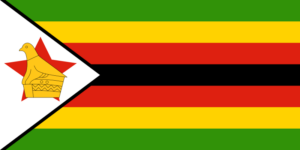
Zimbabwe Flag
Price range: R400,00 through R860,00 -

Zambia Flag
Price range: R400,00 through R860,00